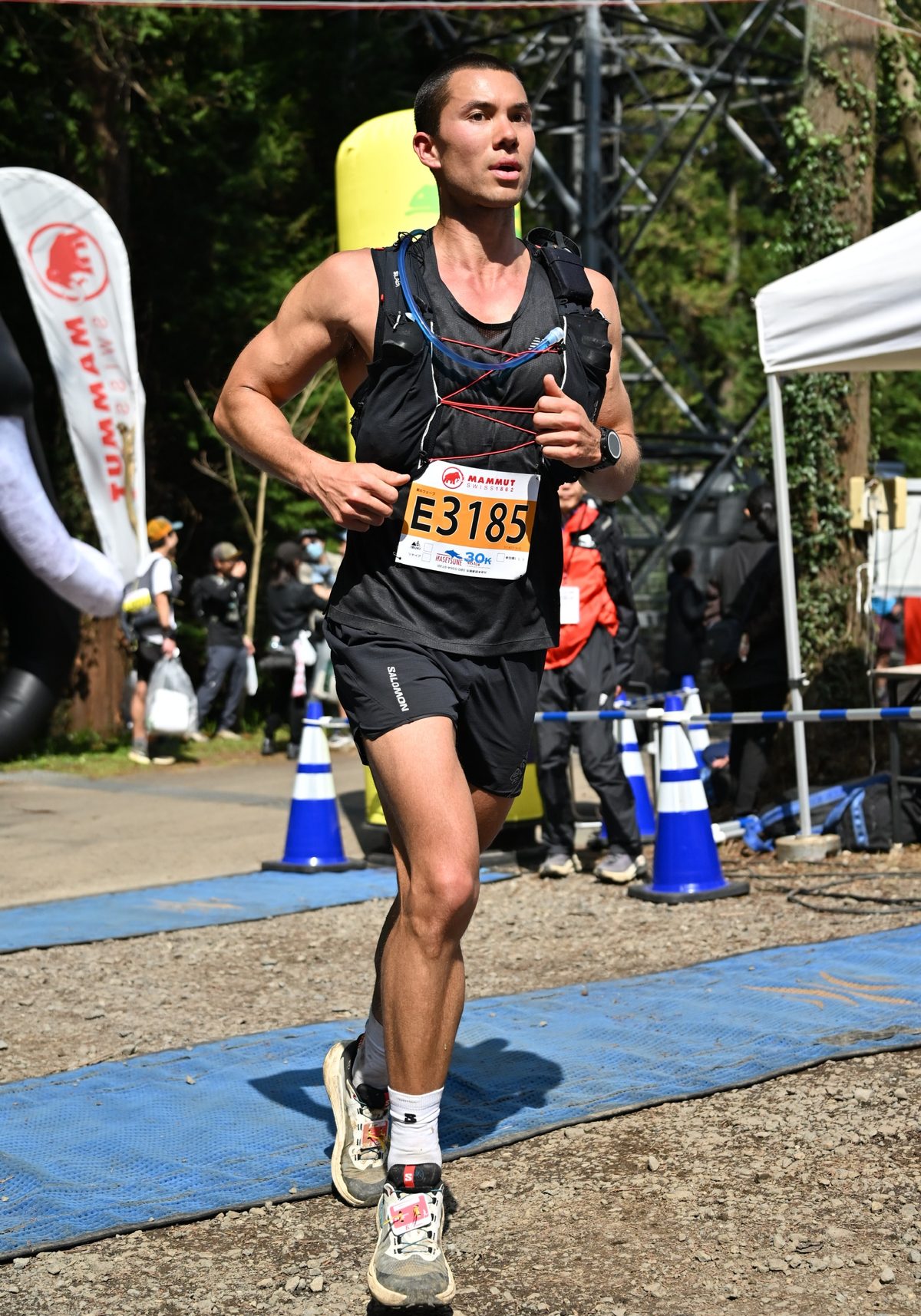
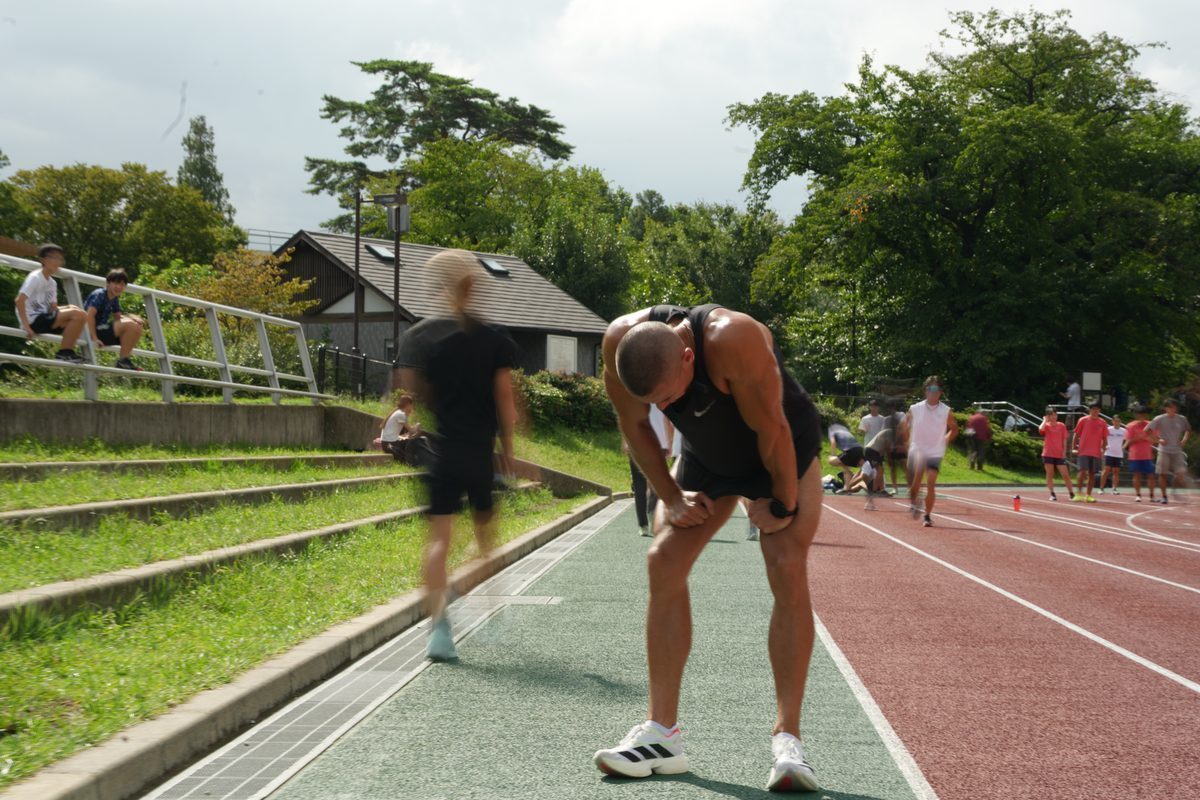
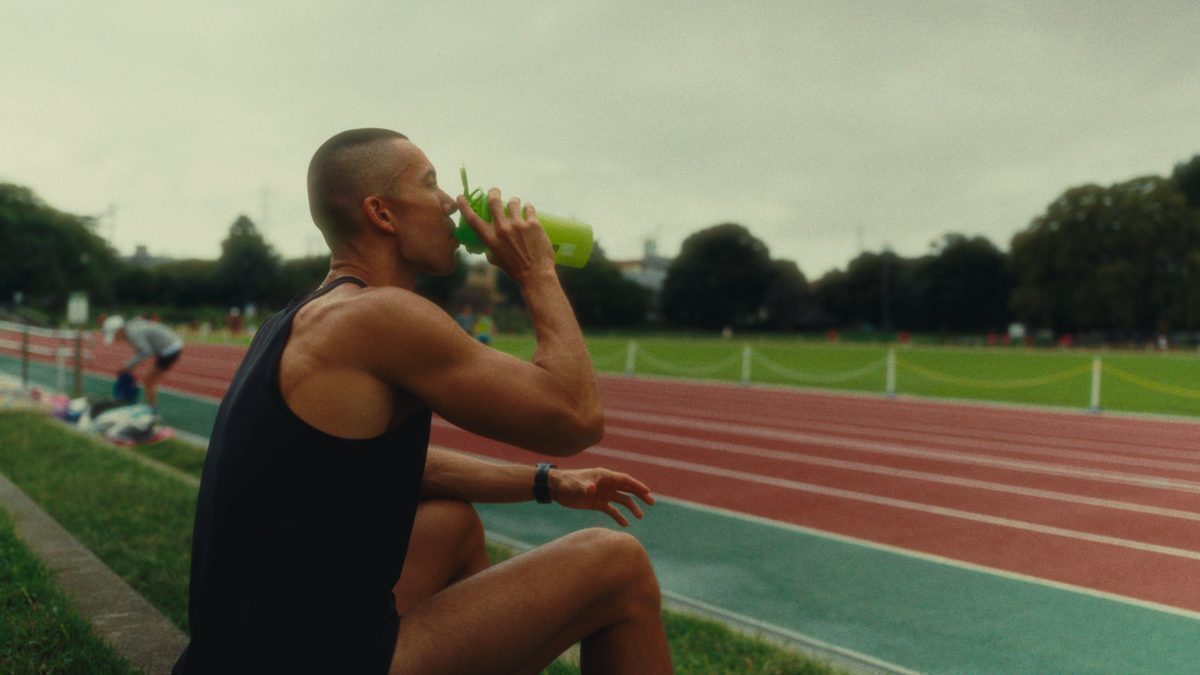
Tokyo-based endurance athlete, trail runner, Hyrox competitor, and athlete model operating at a high-performance standard across training, competition, brand work, and content.
I'm a Tokyo-based performance athlete and endurance athlete competing across trail, road, Hyrox, Spartan, and hybrid racing, while building a credible profile for brand partnerships, sponsorships, athlete modelling, and media work.
I've always been an athlete. From the pool to the track, that early foundation built the values I live by today. Discipline, consistency, and full commitment.
After stepping away, I returned to competition with a focus on endurance across trail, road, and hybrid racing.
I'm drawn to challenges that physically and mentally demand more. My approach is simple: show up, do the work, and push beyond what I thought was possible.
For me, performance is built in the process, every day. That standard doesn't change.
Tokyo
Based in Japan
10+
Years Competing
Hybrid
Athlete Style
∞
Potential
What I Stand For
MY VALUES
01
FULL SEND
Half-effort doesn't exist in my vocabulary. Whatever I take on, I put everything into it. No holding back, no excuses, I'm all in.
02
THE PURSUIT OF MORE
We don't know where our limits are until we push past where we thought they were. That chase is what drives me.
03
HOLD THE STANDARD
The level I expect from myself doesn't drop when it's hard, inconvenient, or uncomfortable. It stays fixed. No matter what.
04
SHOW UP EVERYDAY
Motivation is unreliable. Discipline isn't. The work gets done regardless of how I feel because consistency compounds. And that's what separates the good from the great.
"Who you become in the pursuit of your goals is the actual goal"
My Mission
WHY I DO THIS
This isn't about motivation. It's about setting a standard and showing what's possible when you live by it.
Through my journey, I show that limits are self-imposed.
When you get clear on what really matters and commit fully to it, you can operate at a level you didn't think was possible.
And achieve more than you ever thought you were capable of.
THE STANDARD
→ Train daily, regardless of conditions
→ Track performance across all key metrics
→ Compete consistently across hybrid and endurance racing
→ Execute with discipline, not emotion
→ Live the standard, on and off the field
Performance
RACE RESULTS
UTMB
Index
648
ITRA
Index
699
Advanced 2
HYROX
PB
1:02:01
ROAD
Marathon2:56:19
Half1:21:07
10 km35:56
2025
2026
2027
Race
Type
Time
Ranking
Expand
139th Kanto 10k Road Race
21 Dec 2025
Narita, Japan
Road
10km
0:35:56
Age Group: 10th / 33
Expand
Race Description
An established 10km race with a long history in the Kanto region. Known for its highly competitive field, it regularly features top high school and university teams.
Going In
First ever 10km road race. A proper benchmark. I’m excited for this. I know the fitness is there off the back of last week’s half marathon. Now it’s about speed, grit, and seeing what I can really do over 10km.
Fast, controlled start. Settle into a group early and lock into mid-3:30s through to 6km. Build from 6–8km, then race the final 2km. Prepare your mind and body for the 500m uphill slog. Target: sub-37 good, sub-36 excellent.
Stay locked in. Don’t let anyone go. Don’t let anyone pass. Then, 100m from cresting, go. Absolutely let it rip and then some more in the final 500m. All out war. LFG. Do or die.
Looking Back
Sub-36 minutes. Let's gooo. What a way to finish the year. My first year of training and racing in Japan.
The race plan executedperfectly. The phased approach works, and I've learned to trust the structure. Ran in a group most of the way and executed on the final hill while shutting that voice down inside my head, screaming at me to stop. Not today baby. Today we burn in hell.
Looking forward to training hard through the gruelling Japanese summer again. Getting my fitness up and a giving myself a bit more struture around training. The times will come with consistent training, recovery, and sticking to a plan. That's the formula.
45th Gunma Safari Half Marathon
14 Dec 2025
Tomioka, Japan
Road
21.1km
1:21:07
Overall: 6th / 250
Age Group: 2nd / 62
Expand
Race Description
A long-running regional road race in Gunma Prefecture, now in its 45th edition. Held in a region known for its onsen culture and konjac production, it attracts a solid field of domestic competitors.
Going In
First ever half marathon. Another benchmark, this time on the road. No pressure, just a chance to test the ankle and see where my fitness is really at. I'm calm, but I'm ready to go.
Easy through the first 5km to warm up the ankle. Hold pace through the next 5km and keep testing it. From 10–15km, lift slightly and decide. At 15km, commit or not. Let it rip or hold steady to the finish. Target: 90 minutes.
Keep the legs moving light and fast. Stay relaxed early. This is about control, not emotion. But when the moment comes, don’t hesitate. Trust the body, trust the work, and be ready to go when it’s time. Lock in!
Looking Back
First ever half marathon in a touch over 80 minutes. Happy with that! A proper benchmark on the board and a strong step forward. The ankle held. That was the test and it passed.
The plan was executed clean from start to finish. Phased pacing worked again. Stayed controlled early, then lifted when it mattered. Race nutrition was on point and reading the course properly made a difference.
There’s more there. More speed, more strength, more to come. The structure works. Stick to it, trust it, and keep building.
Good work. On to the next.
87th Okutama Valley Ekiden
7 Dec 2025
Ome, Japan
Road Relay
44.8km
Team: 2:44:06
Team: 27th / 255
Expand
Race Description
A traditional Japanese relay race held in the Okutama region, running along winding mountain roads. A well-known and highly competitive event, it brings together large numbers of university teams, reflecting the depth of Japan’s ekiden culture.
Going In
2nd leg of the relay. Apparently the hardest. 8.4km of uphill slog. Good. That’s exactly where I want to be. This is about stepping up and doing the job for the team.
Fast start. Make the most of the only downhill. Controlled through the first 3km, then hold as the elevation builds. Break it down 3km, 2km, 1km, 1km, 500m, 500m. Light steps, high cadence. Protect the ankle.
No room to switch off. Stay locked in from the start. One kilometre at a time. Carry the sash, carry the responsibility. Don’t let the boys down. Time to execute.
Looking Back
One of the hardest efforts I’ve given in recent memory. The weight of the team sash weighed heavy on my mind and across my body. I could not let the boys down. No excuses. Just get it done.
30:34 for 8.4km. 3:38/km pace. I’ll take that. Especially on a leg with sustained elevation and no real flat to reset. Dug in and held the line when it started to bite.
The race plan held up. Fast out of the downhill, controlled early, then broke it down 1km at a time through the grind. Stayed in it mentally and refused to give an inch.
That’s what it takes in a race like this. Step up, carry your weight, and deliver for the team.
Nikko Mountain Race
9 Nov 2025
Tochigi, Japan
Trail
35km - 2,300m
4:47:11
Overall: 18th / 731
Age Group: 8th / 118
Expand
Race Description
Competed in the 35km middle-distance race in Nikko, covering a course with approximately 2,300m of elevation gain. The route combines long climbs and technical trail sections through a UNESCO World Heritage region.
Going In
First official trail race ever. New terrain, new challenge. This is a proper test. No shortcuts out here. Just the course, and how far I’m willing to go.
Run fast and easy on the flats. Short, light steps on the climbs, pump the arms. Sprint, literally sprint the downhills. Fuel early and often. Test all kit and equipment. Target: sub 4:15, top 10.
Don’t ever stop moving forward. If you stop moving, you die. Stay locked in, stay aggressive, and keep pushing no matter what. Forward is not enough.
Looking Back
The course delivered everything it promised and more. 2,300m elevation gain. Strong winds. Heavy rain. Fell twice, rolled both ankles badly. Lost 9 places. But with 6km to go, I gathered myself and absolutely sent it to the finish.
18th overall. Not the result I came for, but I stayed in the fight. Kept moving forward when it would’ve been easy to shut it down. This one tested everything.
Couple big lessons from this first trail race. Ankle support is non-negotiable. Tape both ankles every race, no exceptions. And I need more volume. Bigger kms. Stronger legs. This is where the real work starts.
Deep Japan Ultra Camp
1 Nov 2025
Niigata, Japan
Training Camp
1 Day
Completed
Expand
Race Description
An immersive endurance training experience designed to simulate ultra-distance racing in the Japanese Alps. Focused on running resilience and technical trail skills.
Going In
Complete the mission. This is where the work gets done. Everything here feeds into the upcoming trail and ultra races. No shortcuts, no wasted effort.
Train hard and treat it like race conditions. Test gear, test nutrition, move all day. Stay disciplined and keep pushing, no matter what the conditions throw at me.
Thunderstorms all weekend. Good. That’s exactly what I want. Get comfortable being uncomfortable.
Looking Back
Completed the full day and handled the conditions well. Absolutely bucketing with rain all day. Perfect. This is exactly the kind of environment that builds resilience.
Ran up and down two mountains, then finished with 18km home in the dark. Solid work. Kept moving, stayed composed, and got it done.
Gear setup performed well and nutrition held up. Clear upgrades needed on lighting and headwear. Fix it and move forward.
Spartan New Taipei
18 Oct 2025
Taiwan
Spartan
Beast - 21km
2:26:12
Overall: 1st / 231
Age Group: 1st / 41
Expand
Race Description
“Beast” (21km) obstacle course race combining trail running with strength and technical challenges. The course features 10km of trail running and then 30 obstacles, testing skill, fitness, and all-around athletic performance.
Going In
First ever Spartan race. Another benchmark. I want to see exactly how my fitness and skills stack up in this kind of racing. No guessing. Just find out where I stand.
Run the 10km mountain trail hard. That’s where I can make the difference. Move fast between obstacles and take five seconds to reset before each one. One attempt, one execution. No mistakes. No second chances.
The trail is where I build the lead. The obstacles are where I can lose it all. Lock in.
Looking Back
First place overall. Let’s go!!! But didn’t register as Elite, so no podium. All good. Lesson learned. That won’t happen again.
The race plan executed exactly as it should. Attacked the 10km trail hard, held pace between obstacles, and reset properly before each one. No mistakes. The Salomon belt worked perfectly carrying nutrition on the move.
Big takeaway from this trip is logistics. Seven days away is too long. It disrupts everything. Four to five days is the sweet spot. One international race a month. That’s the ceiling.
Get in, execute, get out, and get better.
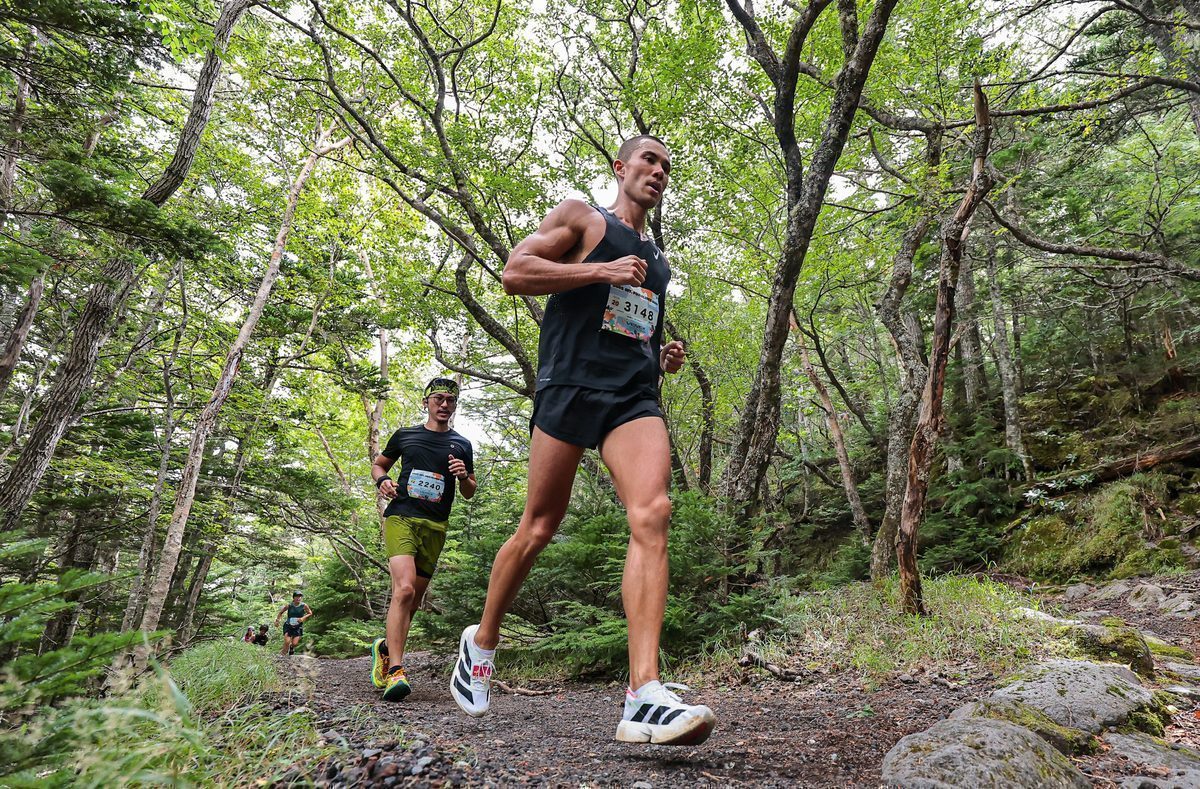
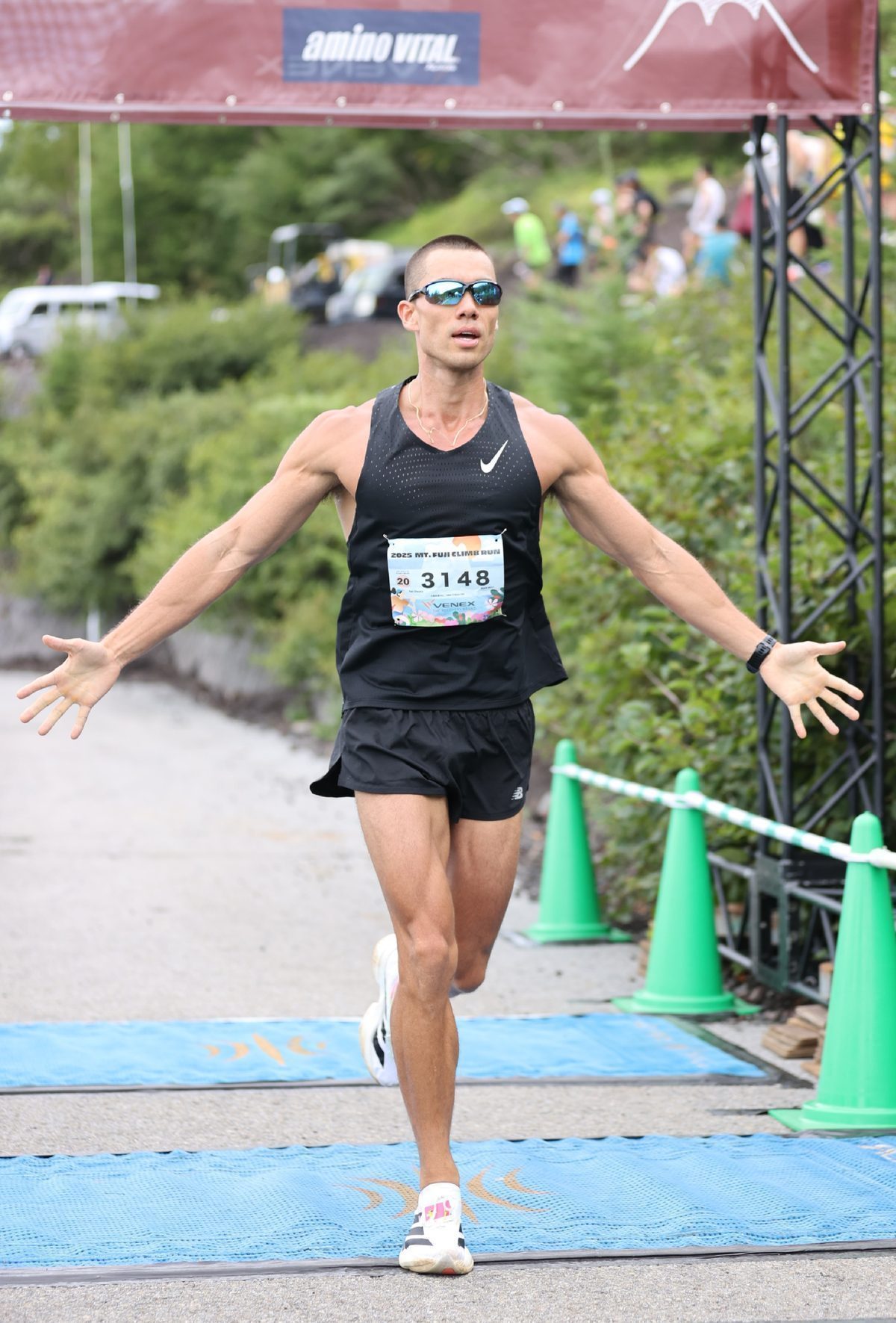
2nd Mt. Fuji Climb Run
14 Sep 2025
Yamanashi, Japan
Trail
12km - 1,300m
1:25:31
Overall: 36th / 1760
Expand
Race Description
A 12km mountain race ascending Mt. Fuji from Fuji Hokuroku Park to the 5th Station, combining endurance with a sustained elevation gain of 1,300m.
Going In
Racing up Mt Fuji. Four words that capture everything about this event.
Run fast and easy while it’s flat. Then commit fully to the climb. No walking. No stopping. No negotiating with my mind. Non-stop effort from the start line to the 5th station. Fuelling locked in. Gel every 20 minutes.
This is simple - give it everything and find out what you're really made of. "Only you can know what an honest effort is." Stay locked in, stay honest, and don’t back off.
Looking Back
Started in the 20th of 20 waves and still finished 36th out of 1,760 on Japan’s most iconic mountain. Strong result, but there was more there.
Took advantage of the flat and refused to walk or stop on the climb unless physically blocked. Stayed committed the whole way. Fuelling strategy worked perfectly.
Two clear lessons. Start at the front. Don’t put yourself in a position where you’re fighting through traffic on single-track. And trail racing shoes are non-negotiable. Only need to learn that once.
This race showed me what happens when you commit fully to not giving up. The result spoke for itself. On to the next one!
Hyrox Yokohama
7 Aug 2025
Japan
Hyrox
Men's Single - Open
1:13:25
Overall: 49th / 360
Age Group: 17th / 48
Expand
Race Description
International Hyrox event featuring a standardised format of 8 x 1km running and 8 x functional fitness stations, competed in the Men’s Open division.
Going In
First ever Hyrox race. The goal was to get a benchmark. I wanted to understand where my fitness sits in this kind of racing / competition format - find out where my strengths are, and where the work needs to go. A little bit of crosstraining was done in preparation, but this was mostly about learning more than racing.
Target time: 1:05 to 1:15. Run the 1km segments at 4min/km and see what the functional stations throw at me.
Looking Back
A solid first crack at Hyrox. It told me exactly what I needed to know - the running is strong, the functional stations will get stronger with time and practice, and there are some very clear, fixable lessons that need to be learnt.
I ran 500m extra, twice, and did too much on the sled pull because I wasn't paying attention and didn't know the exact station distances and lap counts. That's a preparation gap, not a fitness one. Know your stations before you race them. Wall balls need dedicated work. A gel or two mid-race will help keep energy levels up.
The 4min/km runs were easy to hold, which means the ceiling on this format is much higher than this result suggests. First race done. The trajectory from here is clear.
Race
Type
Time
Ranking
Expand
The Mill - Cadre Camp
21 - 23 August 2026
Perth, Australia
Camp
3 days / 2 nights
3 D / 2 N
Completed
Expand
Race Description
A Special Forces Selection-inspired training camp in Perth, run by The Mill. Three days of physical and mental stress testing, designed to push you past the point where your body wants to stop and find out what's actually left. This isn't a race. It's harder than a race. Going to Australia for a weekend of voluntary suffering, and absolutely cannot wait.
Going In
Flying back to Perth after a year and a half, to the place where my whole life changed, feels pretty surreal. But I know why I’m going back, and I know it’s only a short stay.
I have no idea what to expect, but I know this much: three days of work, no sleep, and no food. My mind and body are prepared for whatever gets thrown our way.
When everything hits the fan, there’s one phrase I’ll keep on repeat: break it down and work as a team. I’m ready.
Looking Back
Graded the fittest of all ten participants and voted second overall by my peers and instructors. Cadre Camp was physically what I expected, but the people involved made it far more interesting.
Three days without sleep, no food apart from half a frozen Mars bar, and constant testing under fatigue. Physical endurance, combat skills, fieldcraft, memory, leadership, teamwork, and decision-making were all tested. Physically, I got what I came for, while some of the mental challenges gave me plenty to explore further.
The biggest lessons came from working with ten people with different levels of ability, experience, and skill. On night two, I stepped back and gave participant #2 space to lead, knowing he was preparing for a serious selection process. Sometimes being a good teammate means knowing when to lead and when to step aside.
The 79th Fuji Mountain Race
24 Jul 2026
Yamanashi, Japan
Trail
21km - 3,000m
3:54:28
Overall: 158th / 734
Expand
Race Description
The full Fuji Mountain Race, from the base all the way to the 3,776m summit. 21km and roughly 3,000m of elevation gain, straight up Japan's highest and most iconic mountain. This is the step up from the 5th Station race: same mountain, twice the distance, twice the elevation, and a completely differentbeast above the treeline.
Going In
One of, if not the most iconic mountain race in Japan. Lining up for the 79th edition feels pretty exciting!
The plan is simple - don't get carried away early. It might only be 21km, but with nearly 3,000m of elevation gain, it's likely to be close to four hours of racing in the gruelling Japanese heat and humidity.
Target time is 4 hours, but I'd love to sneak under 3:30 and hopefully into the top 50 or 100. I haven't tapered for this one, so we'll see what the legs have got. Time to put my head down and keep pushing all the way to the summit!
"Forward is not enough."
Looking Back
Damn, that was hard. Finished in 3:54, and although I gave it everything I had, I don't think I got the most out of myself today.
The biggest lesson was pacing. I misjudged where I should've been spending my energy. Looking back, I should've attacked the runnable road sections a little harder because once the course turned into a relentless climb, there wasn't much opportunity to make time back, even though I was still passing plenty of people.
No regrets though. Every race is an experiment, and every race teaches you something. I love the process of figuring these things out, so in many ways I'd already won before I stood on the start line. The strategy wasn't quite right today, but now I know. I'll be back.
Deep Japan Ultra - Uonuma 80km
26 - 27 June 2026
Niigata, Japan
Trail / Ultra
80km - 4,000m
14:18:18
Overall: 13th / 199
Expand
Race Description
The big one. 80km through the mountains of Uonuma in Niigata, an ITRA-rated ultra trail race set in the same region as the Deep Japan training camp that taught me so much back in 2025. This is the race that camp was building toward. A full day in the mountains, navigating everything the Japanese Alps can throw at you across two days of racing.
Going In
In an ultra, absolutely anything can happen. The challenge isn't executing a plan, it's being willing and able to adapt, pivot, and fully commit to whatever the race asks of you.
The training is done. Now it's about staying calm, making good decisions, and executing whatever version of the race unfolds in front of me.
More than anything, this kind of race asks one simple question: Am I who I think and say that I am?
Time to find out.
Looking Back
I enter races like this because I love to suffer. I crave that feeling of everything being stripped away until it's just you and your mind. That feeling of extreme solitude and vulnerability, when the only things that remain are your courage and resolve.
Deep Japan threw absolutely everything it had at me. Wrong turns, wasted kilometres, nutrition mistakes, stomach issues. One setback after another. It simply wasn't my day.
I finished in 14 hours 18 minutes, and 13th overall. The result wasn't what I came for, but that's not what I'm taking home. Deep Japan Ultra was an insane experience. The strength of my character was tested, and I passed the test.
UTMB Yamanaka, Kaga Spa 20k
20 Jun 2026
Yamanaka, Japan
Trail
20.7km - 650m
1:47:12
Overall: 6th / 567
Age Group: 1st / 63
Expand
Race Description
The Kaga Spa 20K, part of the UTMB World Series, set in the hot spring resort town of Yamanaka in Ishikawa Prefecture. Running with Sebastian on this one. A shorter, sharper UTMB race in a beautiful setting, where the goal is to go faster and smarter than Kenting. The experience is already there. Now it's about applying it.
Going In
This will be my second UTMB World Series race and another opportunity to test myself against a strong field. The course is short, fast, and punchy, with three steep climbs that will reward aggressive racing from start to finish.
Fitness is good. The legs feel strong, the body feels healthy, and mindset is absolutly dialled. At this point, the limiting factor won't be fitness. It'll be how willing I am to suffer.
The goal is simple. Race hard and execute well.
"If pain is the price for becoming the best, then let me suffer."
Time to let it rip!!
Looking Back
I am deeply satisfied with today's result. 1:47:12. 6th overall and 1st in my age group. I made a plan, executed it to the letter, and performed to the absolute best of my ability.
From the gun I raced aggressively and stayed committed to the task. No second-guessing, no hesitation, just full commitment to the race plan from start to finish. The final kilometres were spent battling it out with Kanako Edamoto, one of Japan's best female trail runners, and Aki Matsunaga, one of Japan's most well-known male trail runners.
Really proud of today's effort. There wasn't a better performance in me. Deep Japan Ultra is next.
12hr Solo Last Man Standing
30 - 31 May 2026
Japan
12hr Last Man Standing
12hrs / 80.4km
Completed
Expand
Race Description
A solo take on the last man standing format. One 6.7km loop, every hour, on the hour, for 12 hours straight, running through the night. Finish quickly, I rest. Finish slowly, I don’t. No crowd, no checkpoints, no one watching. Just me, the clock, and the decision to go again, and again, and again.
Going In
No expectations. Twelve hours, 80km, overnight and solo. At this sort of distance and duration, anything can happen, and that's exactly what makes it exciting.
The preparation is done. Nutrition calculated, food prepared, gels made, electrolytes mixed. Now it's time to trust the work and stay adaptable with an open mind for when the unexpected shows up.
Three goals: complete 80km, run through the night, and test my fuelling strategy for Deep Japan Ultra. More than that, this is an opportunity to test the strength of my character. When fatigue builds and discomfort arrives, can I stay calm, remain disciplined, regulate my emotions and stay committed to the task? Time to find out.
Looking Back
Mission accomplished. 80km covered, 12 hours on my feet, and one full night without sleep. Three goals going in, three goals achieved.
The fuelling strategy worked. Hydration stayed on track, energy levels remained stable, and the combination of real food and homemade gels held up over the full duration. The legs lasted the distance and a simple run-walk strategy kept things moving late in the session.
The biggest takeaway wasn't physical. Twelve hours is a long time to sit with discomfort, fatigue and your mind constantly trying to negotioate. It becomes a test of resilience, grit, and mental strength. A valuable night of training heading into Deep Japan Ultra.
Hyrox Hong Kong
9 May 2026
Hong Kong
Hyrox
Men's Single - Open
1:02:01
Overall: 10th / 1380
Age Group: 4th / 359
Expand
Race Description
The Hong Kong legof the global Hyrox circuit, and the first international Hyrox on the 2026 calendar. Racing with Sebastian, which adds an extra layer of motivation to absolutely get after it together. After the Osaka penalty lesson, this one is about running a clean, precise race and seeing what a proper preparation produces.
Going In
This is my second round of redemption. This time I know the race format, the weights, the distances, and the technical briefing inside out. Now it’s time to give Hyrox a proper go and get a real benchmark of where I’m at.
Goal time is 60 minutes. The strategy is been locked-in with consistent run pacing and steady movement through every station. No guessing, just execution.
Whether I hit the target time or not, this race will show exactly where my strengths are and where I can improve moving forward. Hyrox Hong Kong LFG!
Looking Back
1:02:01. This was the first real benchmark. No mistakes, no confusion, no penalties. Just a full-effort Hyrox from start to finish, and I'm happy with the results.
The pacing strategy worked well. Consistent runs at 3:25 min/km kept the race controlled early and gave me the chance to push through the second half. The engine is there.
Now it’s about sharpening the details - skills for each station, leg strength and conditioning, and efficiency moving under fatigue. The foundation is solid, it’s time to keep building!
Asics Tokyo Speed Race
4 May 2026
Japan
Ekiden
21.2km
1:04:08
Team: 1st / 234
Expand
Race Description
A fast, high-energy race set in Meiji Jingu Gaien, built around Japan’s iconic Ekiden relay format. Teams pass the tasuki and rotate through short, ~1.2km laps to complete the half marathon distance together .
This format makes it sharp, tactical, and intense. No cruising, just repeated bursts of speed and constant team pressure. Short, fast, and uniquely Japanese.
Going In
Three weeks ago I tore my hamstring racing in Hiroshima. Not ideal, but after a bit of forced recovery and time off, I was back this week and the body feels good again.
I'm feeling strong, fit, and most importantly light, lean, and agile. No expectations other than showing up and doing my best for the team. Ideally I’d run the 1.2km loop at sub 3:00/km pace, in 3:30 flat, but we’ll see what I can pull out of the bag when the time comes.
This Ekiden format is simple. 18 x 1.2km efforts, as a team, over and over. In my mind, I’ll break it into 400m sections and just do my job - absolutely send it, again and again and again. Honour the sash and don’t let the team down.
Looking Back
Ekiden racing is just something else in Japan. The energy, the teams, the atmosphere. You can feel how deep the running culture is here.
Today the racing was short, sharp, and intense. I was lucky to be part of Namban's top team, Shoryuken, and I executed the plan as intended. Broke the 1.2km into three 400m efforts. Fast out the gate, quick turnover in the legs, relaxed up top, and committed all the way through. 3:00 min pace secured.
Last 200m was about staying committed and getting the tasuki ready for a clean handover. 1st overall for the team. Great experience. Keen for the next one.
Hiroshima Trail - 50K
11 Apr 2026
Japan
Trail / Ultra
50km - 2,900m
6:42:24
Overall: 4th / 124
Expand
Race Description
First crack at the 50km distance. The Hiroshima Trail race takes you through the forested mountains surrounding Hiroshima, with a solid mix of runnable ridge lines, technical descents, and the kind of sustained climbing that separates the people who trained for it from the people who thought they did. A big step up in distance from Nikko and the Hatsune 30k.
Going In
This is my first ultra. 50km with nearly 3,000 metres of elevation. It’s going to be a proper test, and that’s exactly what I want. The build hasn’t been perfect, but the work is done. There’s some wear in the ankles, but that’s part of it. I’m fit, I’m prepared, I’m ready to find out where my limit is, and I'm ready to go to war.
The plan is simple. Move efficiently early, make the most of the flats, then get to work when the course turns uphill. No hesitation on the descents. Target time is 6:30. I’ll be pushing for a strong ITRA result against a serious field.
At this distance, comfort disappears fast. The body fights and the mind looks for an exit. That’s when the race really starts. Stay in it, and hold your ground. Keep moving when everything tells you to stop. The standard must me maintained.
I don’t know where I’ll finish, but I know how I’ll race. All-in from start to finish.
First ultra. No safety net. Time to get to work.
Looking Back
6:42:24. First ultra. 4th overall. First non-professional athlete across the line. Nearly 7 gruelling hours in the mountains and I stayed in it the whole way. The course was relentless. Long, steep climbs and technical descents that just kept coming. No breaks, no chance to switch off. The legs held, but it’s clear there’s another level of strength and conditioning needed to handle that kind of workload.
Fueling was the biggest battle. Too much sweet food and it caught up with me mid-race. Nausea, stomach turning, energy dipping. Had to manage it on the fly and keep moving anyway. Not perfect, but I got it done.
First ultra and it showed me exactly where the gaps are. Stronger legs, better fueling, tighter execution. Now it’s about continuig the build. 4 weeks to Hong Kong Hyrox. Time to sharpen things up, fix the mistakes from past races, and go again. Third time’s a charm. LFG.
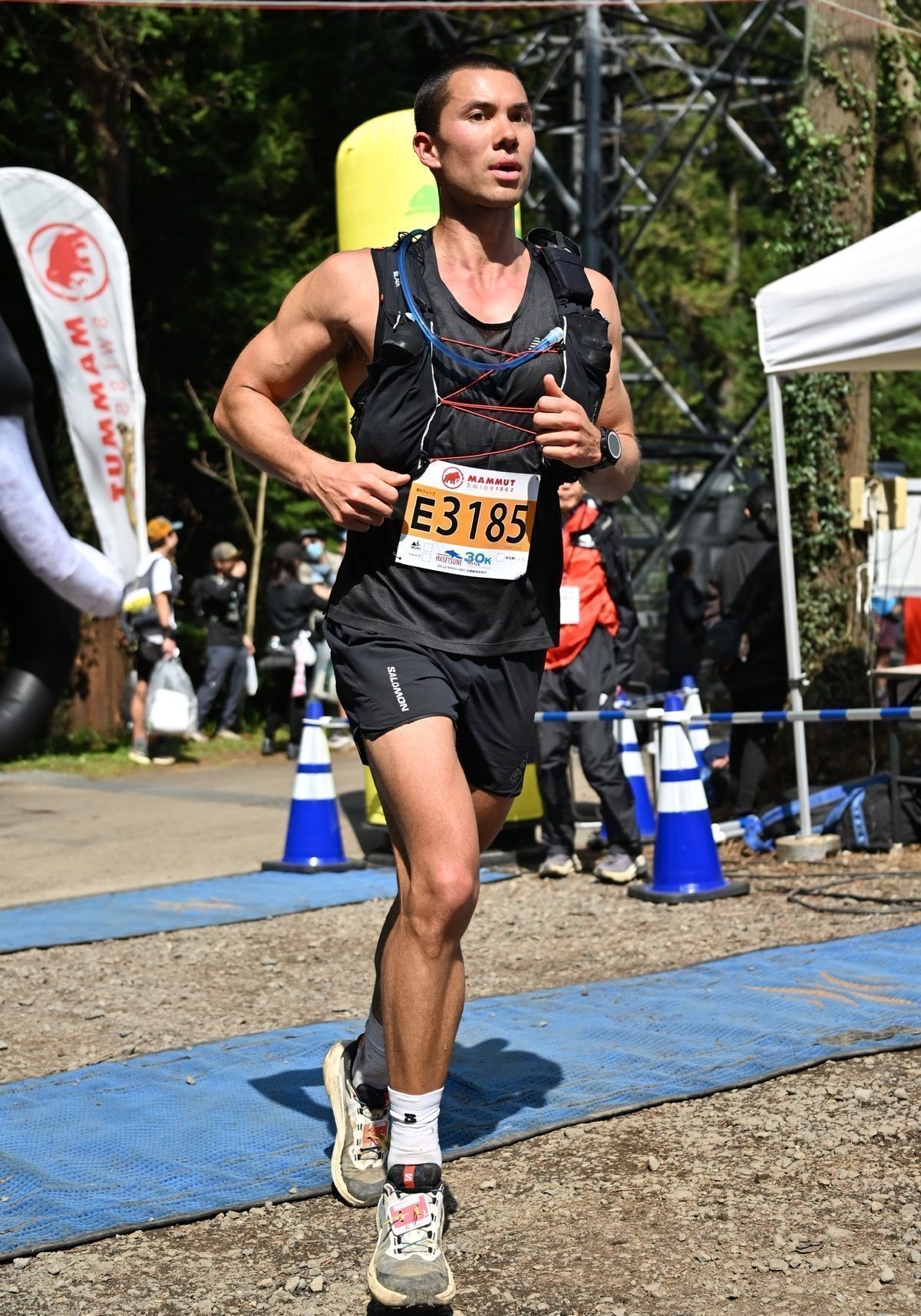
18th Hatsune 30K Cup
29 Mar 2026
Akiruno City, Japan
Trail
30km - 2,000m
4:47:07
Overall 6th wave: 2nd
Age: 46th / 360
Expand
Race Description
One of the most famous and respected trail races in Japan, and for good reason. The Hasetsune Cup has been running for nearly three decades and draws some of the best trail runners in the country. 30km through the mountains of Akiruno with over 2,000m of climbing, minimal aid, and zero room for a bad day. No crew, no shortcuts, just you and the mountain. First time on this start line, and the reputation of this race has been well earned. A serious bucket list tick.
Going In
The famous Hatsune 30K Cup. Excited for this one.
Starting in the last wave again, 6th of 6, with around 1,500 runners ahead. Course recon last week confirmed mostly single-file trail, so congestion starting from the back will be what it will be. After this race the UTMB and ITRA indexes should be locked-in, and that problem goes away for good.
Ran 4:47 over 35km with 2,300m of elevation at Nikko, so the target here is around 4 hours for 30km with 2,000m. We'll see what the day brings.
Pacing strategy is standard trail now. Attack the flat opening road section. On the climbs, hold a comfortable run and keep the HR low. Power hike when it spikes, run again as it drops. Keep the legs fresh for the descents, and don't hold back. In the final kilometres, whatever happened earlier in the race is done, give an honest effort to the line.
Looking Back
4:47:07 on the clock, with a total moving time of 4:11. Three separate occasions where the race was stopped completely and every runner had to queue due to trail congestion. Each stoppage around 20 -30 minutes. Starting in the last of six waves made that unavoidable. No real complaints given the context, but the logistics of this race could be better organised.
Happy with the effort overall. Nutrition strategy held up well throughout. I was uncotrollably sick for the two weeks leading into this race so getting to the start line feeling better and being able to compete was a win in itself.
After this I should have an ITRA index, which means starting near the front from here. Now it's about building real volume into the legs. The Hiroshima 50k is a fortnight away, so the focus is staying fit, healthy, and getting after it!
UTMB Kenting, Xtrail 25
8 Mar 2026
Kenting, Taiwan
Trail
27km - 600m
2:19:07
Overall: 10th / 1079
Age Group 6th / 213
Expand
Race Description
My first UTMB series race, held in the stunning Kenting National Park at the southern tip of Taiwan. A 27km course with only 600m of elevation gain, which sounds gentle until you're navigating dry riverbeds, rocky single-track, and back-to-back peak sections in tropical heat. Part road, part jungle, fully worth it.
Going In
First ever UTMB series race. New environment and a proper test in the heat and technical terrain. Excited for this one.
Starting in wave two with no UTMB index yet. That changes after today. Easy speed on the road, run what I can on the climbs, power hike when needed, and let it rip on every descent. The elevation gain is only 600m across the whole course, so 2 hours is the target. The winner last year went 2:05.
Stay patient early. Make smart decisions, and back myself when it matters. Let's get it done!
Looking Back
2:19:07. Not the two hours I was chasing, but I’m proud of that effort. A solid result that shows exactly where I stand in this field.
Preparation was close to perfect. Travel, reconnaissance, morning routine, nutrition, all dialled. Race strategy executed well and I stayed composed through the race.
Gaps are clear. Late prep the night before, missing equipment, and carb planning needs precision. Biggest limiter is volume and technical experience. More trail, more mountains, stronger legs.
Now it’s about building the engine and the skillset. Single-leg strength work. The result told me I belong in these races. The prep will now match that. LFG.
Kyoto Marathon
15 Feb 2026
Japan
Road
42.2km
2:56:19
Overall: 511th / 12,325
Age: 73rd / 1,182
Expand
Race Description
One of Japan's most iconic marathon courses, winding through the streets, temples, and riverside paths of Kyoto. A sold-out race with a deep field and incredible atmosphere. My first ever official marathon distance, and the A-race of the first half of 2026.
Going In
First ever official marathon. The goal: get out there, have fun, and get a benchmark.
Starting right at the back of a nearly 13,000-person field, so the strategy is built around that.
First 10km, ease in and find open space. Second 10km, lift the effort and settle into 4:14min/km. Third 10km, push to threshold pace around 4min/km and make up some time. Final 10km, it's all mental. No marathon training, no long runs in the bank - I don't know how the legs will react at this distance, but the answer is simple: don't give up.
"Only you can know what an honest effort is."
Target time: sub-3 hours would be excellent. LFG.
Looking Back
2:56:19. Under three hours on debut. But this race was messier than the time suggests. A proper fight from start to finish.
First 13km was chaos. Weaving, overtaking, wasting energy. My fault for starting at the back. Around 15km it opened up, settled into 4:00/km and held it. Then the last 7km… the legs just went. Cramping, heavy, nothing left. Just get to the line.
The truth is simple. Not enough volume in the legs. No long runs. The fitness was there, the base wasn’t. That’s on me. Good lessons. All fixable.
Volume goes up. 70km weeks. Sub-2:50 is next.
Hyrox Osaka
1 Feb 2026
Japan
Hyrox
Men's Single - Open
1:05:02
Overall: 44th / 1632
Age Group: 16th / 410
Expand
Race Description
The Osaka edition of the global Hyrox series, competed in the Men's Open division. 8 x 1km runs, 8 x functional fitness stations, one continuous grind. After the Yokohama benchmark, this was the first real crack at going fast and clean through a full Hyrox race.
Going In
This is redemption. First real crack at Hyrox after Yokohama. I know the movements now. I know the format. Time to execute properly and see what I’m capable of.
Run 4:00/km on every 1km. Move clean through the stations with a 5-minute buffer in the rox zone. Target: 60 minutes. Ambitious, but that’s the point.
Stay locked in and stay sharp. No mistakes, no guessing. Execute the plan and trust the preparation. Let’s see what’s there.
Looking Back
1:05:02. Copped a 6-minute penalty on the sled push. Honest headline: didn’t track the distance properly. That’s a preparation failure, not a fitness failure.
Pacing strategy worked well. 4:00/km runs felt controlled and comfortable. The engine is there. That’s clear.
What’s missing is precision. Know every station, every distance, every weight before the start line. Clean up sled pull, burpees, lunges, wall balls, and compromised running. Fix the details and the time drops.
Shibuya Ekiden
18 Jan 2026
Japan
Ekiden
11.6km
0:38:57
Team: 7th / 80
Expand
Race Description
A fun, fast city ekiden through Yoyogi Park. Short legs, big energy, serious crowds, and the kind of race where you hand a sash to a teammate and immediately wonder if you could have gone harder. Racing with the Namban crew makes it something special.
Going In
After competing in my first ekiden with Namban last year, I was hooked! The whole ekiden expereince in Japan is something else! Big crowds, serious runners, and the team atmosphere just makes for such a fun and unique racing expereince!
Familiar territory in Yoyogi Park. Short leg, just under 3km. Simple job. Go hard from the start and hold it. Target: sub-9 for 2.9km. LFG!
Looking Back
9:20. Faster than a Sunday jog but not what I was after. The honest truth is the preparation was not right for race day. Running 70km that week, plus a full leg session and hill sprints the day before, meant the legs had nothing left to give.
No excuses. I put myself in that position. Lessons are clear. Proper 20-minute warm-up is non-negotiable. Course reconnaissance matters. And respect the taper, even for a 2.9km leg. A short race still deserves proper preparation. Fun day out with the Namban crew regardless.
Tokyo New Year Half Marathon
11 Jan 2026
Japan
Road
21.1km
1:21:11
—
Expand
Race Description
The perfect way to kick off the new year - a flat,fast half marathon through Tokyo with a big, buzzing field and the kind of January energy that makes you feel like anything is possible. Part festive, part serious. In 2026 this doubled as a Kyoto marathon prep race, using it to dial in marathon pace and see where the fitness was sitting after the holiday period.
Going In
Back from Hawaii and a beautiful Christmas and New Year trip with the whole family - we hadn't all been together like that since my sister graduated from Harvard back in June. I trained like a maniac every single day over the break and came back to Tokyo feeling fit and sharp.
Also, I'm one year sober this weekend. What a time to be alive! And, what a way to mark it. God, it feels so good to feel SO good.
This is pacing practice for Kyoto. Lock into 4:14/km and aim for 1:29:19. Get a real feel for marathon pace in a race. If the legs are there late, lift. If not, stay controlled. No pressure. Stay relaxed and trust the rhythm. Don’t force anything. Let the race come to you. But if the moment opens up, take it and have some fun!
Looking Back
The race took over in the best possible way. Went out in 4:08. The crowd, the atmosphere, one year sober, a Sunday morning in Tokyo doing exactly what I want to be doing. 1:21:11. A proper run.
Felt strong and made the call early to commit. 4:00, then 3:45–3:50 and held it. No hesitation. Fast course, perfect conditions, and I leaned into it when it opened up.
No real gaps here. This was instinct, execution, and backing myself. The plan changed mid-race and I trusted it.
My debut marathon is Kyoto is looking good. Sub-3 is the goal.
I compete in endurance races across Asia, with a focus on trail running in Japan. I want to shine a light on the depth and uniqueness of the running culture here, and inspire you to get after it in your own way. Anything you put your mind to, you can achieve.
19 Sep 2026
SPARTAN NIIGATA
Spartan
Beast - 21km · 21 km · Japan
A Spartan Beast in Niigata, the same format that produced the 1st overall in Taipei. 21km of trail running and obstacles through the mountains of Niigata Prefecture. By this point in the year the trail legs will be well and truly built, and the goal will be simple: race aggressively, execute on the obstacles, and go after the overall result.
17 Oct 2026
FAGAS FOREST MOUNTAIN MARATHON
Trail
16km - 1,600m · 16 km · Nakacho, Japan
16km, 1,600m of elevation in the steep forests of Nakacho, Japan. Short, sharp, and relentless, this is a pure climbing race where pacing and efficiency are everything. No room to settle in, just constant pressure from start to finish. The goal is to stay controlled early, push hard on the climbs, and race all the way to the line.
24 Oct 2026
SPARTAN PORAC
Spartan
Beast - 21km · 21 km · Philippines
The Spartan Beast in Porac, Philippines. An international race in a hot, humid, physically demanding environment with a course that's notorious for its volcanic terrain and creative obstacle placements. After Taipei 2025, international Spartan Beasts are now a fixture in the calendar. The aim is always the same: get to the front and stay there.
31 October - 1 Novemebr 2026
HYROX SHANGHAI
Hyrox
Men's Single - Open · China
Hyrox Shanghai is my third and final Hyrox race of the 2026 season. Standard Hyrox format, combining running with functional workout stations that test endurance, strength, and speed. After a full season of training and racing, this one feels like a chance to put everything together and see where the fitness is at.
7 Nov 2026
DIAMOND TRAILRUN
Trail
33km - 2,200m · 33 km · Katsuragi, Japan
33km, 2,200m of elevation in the rugged mountains of Katsuragi, Japan. A late-season test where fatigue is real and positioning matters. This is a chance to line up against a strong domestic field and race aggressively from the front. The focus is simple: execute, stay consistent on the climbs, and hold position deep into the final stages.
5 Dec 2026
UTMB CHIANG MAI 50K
Trail / Ultra
63km - 3,600m · 63 km · Thailand
The Chiang Mai leg of the UTMB World Series, a 50km trail race through the mountains of northern Thailand. Third UTMB race of the year, and the longest yet. By November the mileage and mountain experience accumulated across the year should make this feel like the natural next step. Chiang Mai is one of the great trail running destinations in Asia and a race I've been looking forward to since the calendar was set.
20 Dec 2026
ADACHI FRIENDLY HALF MARATHON
Road
10km · 10 km · Japan
A friendly end-of-year 10km road race in Adachi, Tokyo. After a big year of trail and ultra racing, this is the kind of race that brings it back to basics: lace up, find a pace, and see what the legs have left after twelve months of work. A chance to close out the year fast, on the road, with a clear head and fresh motivation for 2027.
Starting the year with something completely different. Racing through ancient temples, jungle, rice fields and rural Cambodia around the incredible Angkor complex.
11 - 14 February 2027
BYD HYROX BANGKOK
Hyrox
Men's Single - Open · Bangkok, Thailand
Back to HYROX racing in Asia. A chance to see how much I’ve improved across the run, stations and transitions and put together a cleaner, faster overall race.
21 Mar 2027
SEOUL MARATHON
Road
42.2km · 42.2 km · Seoul Korea
A proper road-racing test through Seoul. The goal is simple: run fast, execute the marathon well and see what I can do over 42.2km on one of Asia’s fastest big-city courses.
10 Apr 2027
UTMB HIROSHIMA TRAIL 50K
Trail / Ultra
49km - 2,800m · 49 km · Hiroshima, Japan
Round two in Hiroshima. I finished 4th here in 2026, but I know I left plenty out on the course. I’m coming back stronger, more experienced and looking to improve every aspect of my racing, and the result along with it.
25 - 27 June 2027
DEEP JAPAN ULTRA 80K
Trail / Ultra
80km - 4,000m · 80 km · Niigata, Japan
Redemption. Deep Japan humbled me in 2026. I’m going back with another year of experience to race it properly. Better pacing, better nutrition, better decision-making and better execution from start to finish.
TBC August 2027
RUN LARAPINTA
Stage Race · Alice Springs, Australia
My first proper multi-day stage race. Four days racing through Australia’s Red Centre and the West MacDonnell Ranges. Completely different terrain, format and challenge to anything else on the calendar.
TBC September
FUGA GLACIER EXTREME GONGGA 100
Trail / Ultra
58.6km - 5,129m · 58.6 km · Sichuan, China
A huge high-altitude mountain race in Sichuan beneath Mount Gongga. Big climbing, thin air, technical terrain and one of the most spectacular environments I’ll race in all year.
Media
GALLERY
Fuji Trail
Connect
LET'S WORK TOGETHER
Based in Tokyo and racing across Asia, I'm focused on showcasing the unique racing culture here and working with people who want to elevate it. If you're looking to tap into the Asian fitness or running market, I am your bridge.
Whether it's a brand partnership, sponsorship enquiry, athlete modelling brief, media opportunity, or content collaboration, I'm interested in working with people and brands that operate with intent.
Brand Partnerships
I partner with brands that value performance, quality, and purpose.
My focus is across sport, fitness, outdoor, nutrition, recovery, health, travel, and lifestyle. I align with products that are built to perform and can stand up to the demands of training, competition, and daily life.
The strongest partnerships are built on real use and genuine alignment. I'm focused on long-term relationships that are credible, considered, and create value on both sides, including sponsorship, ambassador, product-testing, athlete modelling, and campaign work.
Media Inquiries
I'm available for media opportunities focused on high performance, endurance sport, and pushing physical and mental limits.
I'm interested in conversations that go deeper. Training, discipline, mindset, and what it takes to operate at a high level while building something meaningful.
A key part of my work is showing what's possible when you fully commit, and encouraging others to push beyond what they think they're capable of.
Collaborations
I work with athletes, creators, and teams who take what they do seriously.
Whether it's performance, storytelling, or building something within sport, travel, or culture, I'm interested in projects with clear intent and a high standard of execution.
If you're pushing limits and building something meaningful, I'm keen to work together.
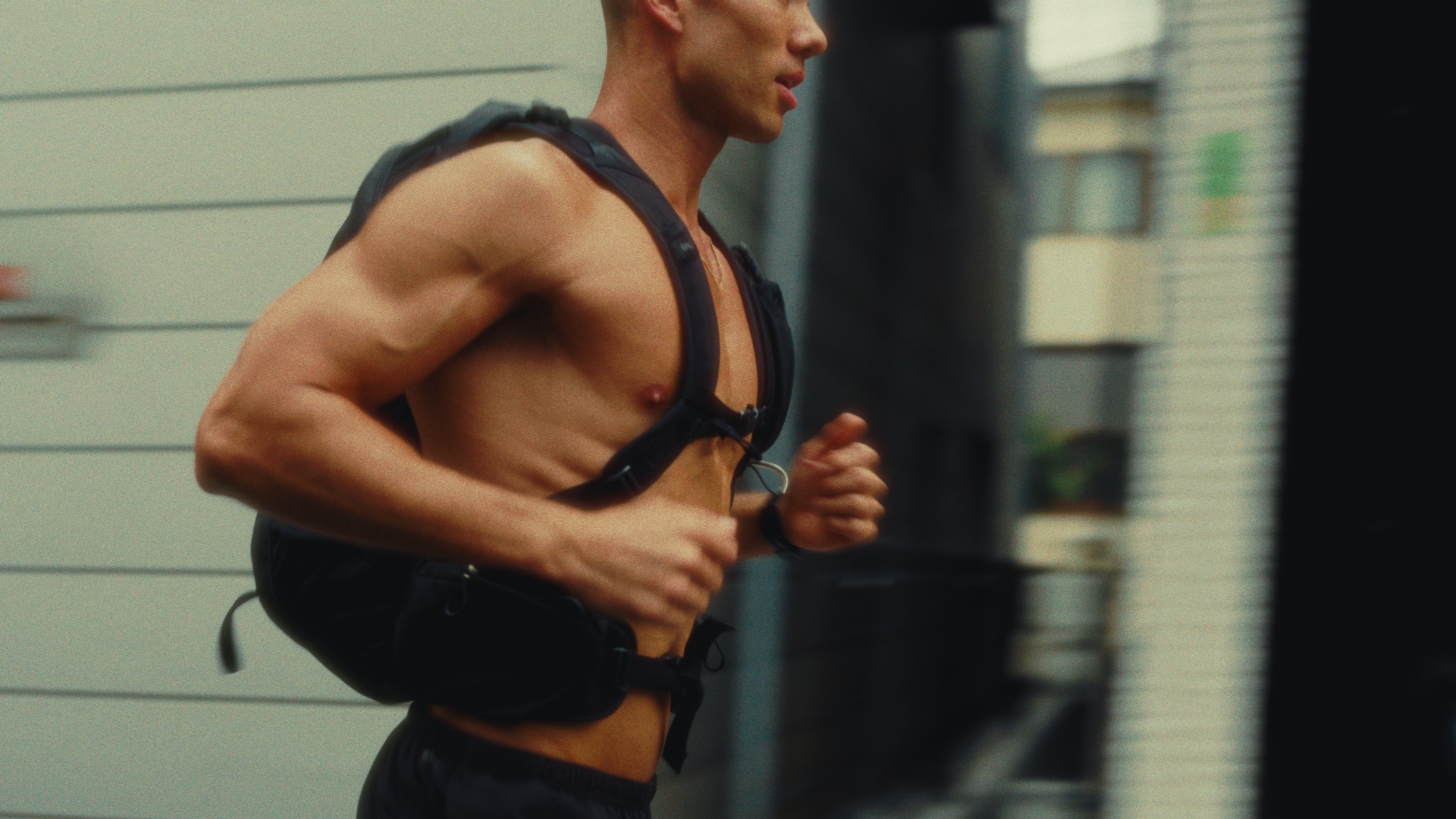
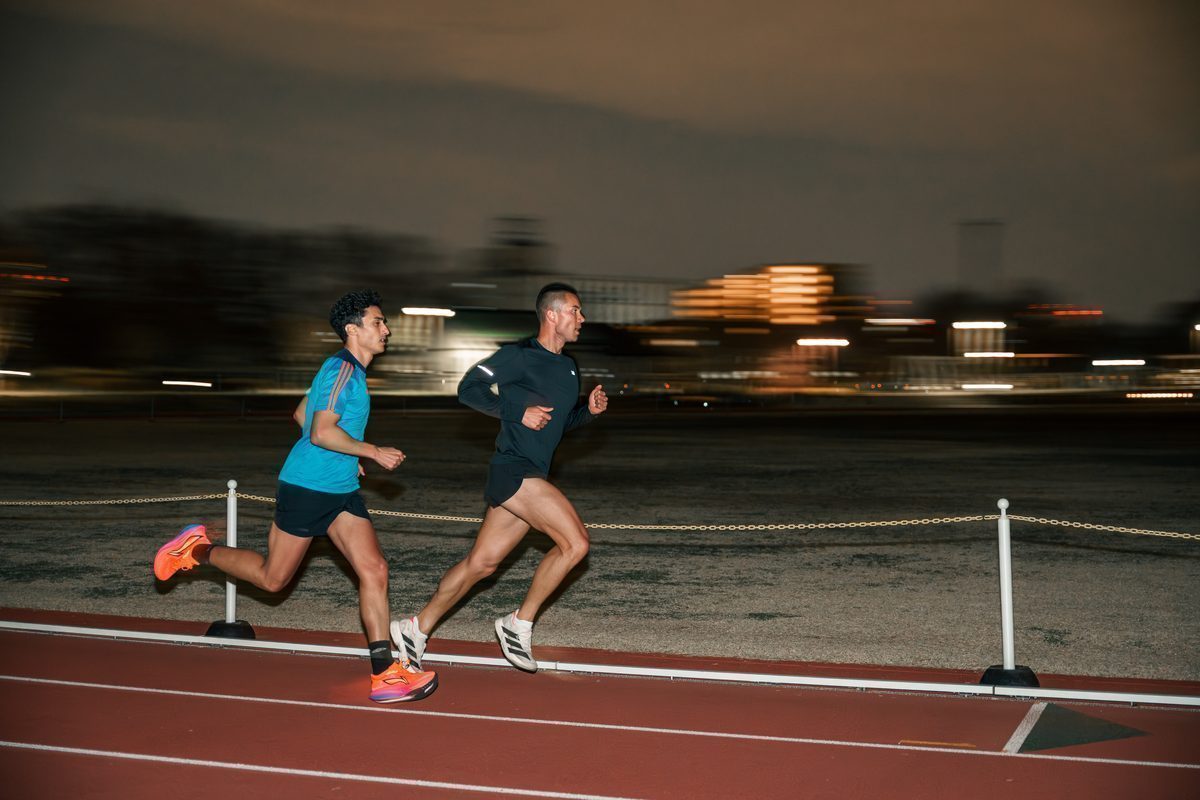
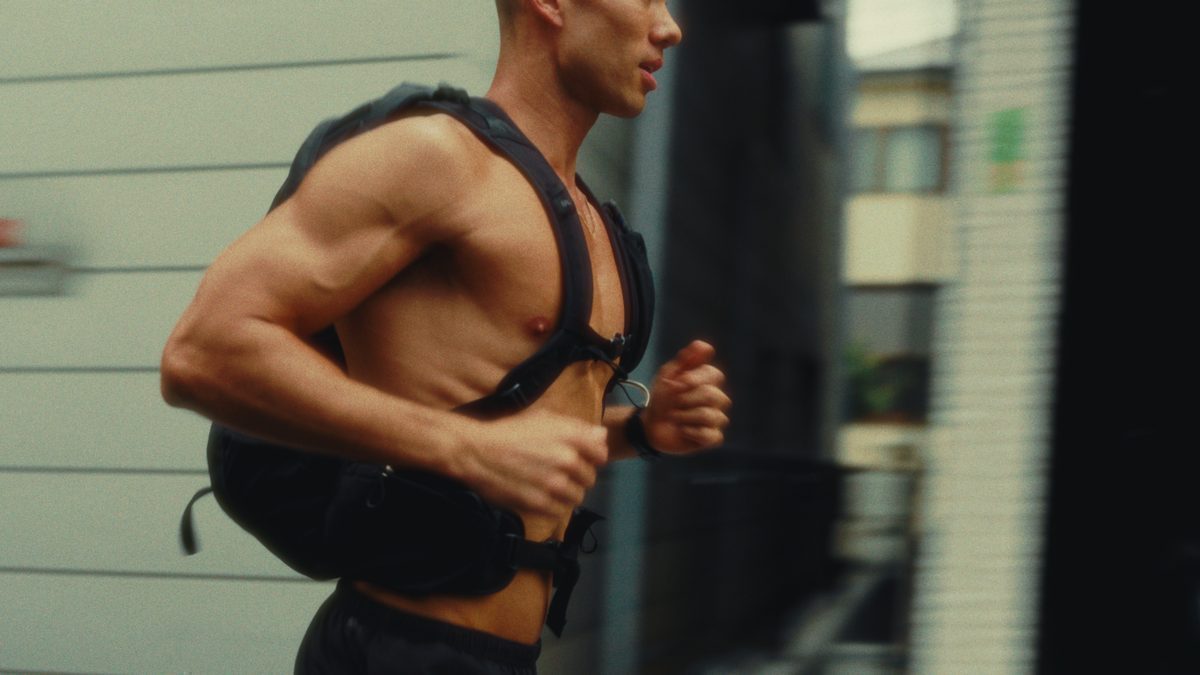
We were fortunate to have Alex appear in our UK Ekiden promotional film. Shooting in Tokyo dawn during summer is not for the faint hearted. 3am call times, running through Tokyo's neon lights, performing for multiple shots, both Alex and Sebastian surpassed high expectations. They were consummate professionals, good sports, and brought enormous smiles! And the shots looked great. Very Grateful.
MICK
Executive Director
UK Ekiden Project
On set, Alex was focused, easy to direct, and took feedback immediately. He remained professional through demanding takes and delivered real gold on camera. He and Sebastian brought fun, positive energy that kept everyone laughing and committed to the result.
Alex contributed far more than just his role as a model. His ideas and suggestions from an athlete's perspective provided valuable insight for the entire production team and helped us create a more authentic and compelling representation of the sport and the brand. I was also impressed by his professionalism and thoughtful consideration for everyone on set.
DOWNLOADS
Full athlete profile — Detailed biography, mission, race results, upcoming calendar, partnership and contact details.
A consistent daily nutrition baseline built around high carbohydrate availability, 180 g protein, and simple rice/oats adjustments on higher-output training days.
This self-development framework is designed to elevate your mindset, improve daily structure, and drive continuous personal growth. It's time to rewire your mind and live in alignment with your values. Take control and transform your life.